Sorong, The Gateway of Raja Ampat

Sorong is a coastal city located at Papua’s Bird’s Head Peninsula, and a logistic hub for West Papua area, by sea or by air. The name “Sorong” derived from Biak Numfor word “soren”, meaning “deep and wavy ocean”. Although Sorong is famous as the gateway to Raja Ampat Islands – the heart of world’s coral reef biodiversity – Sorong and its vicinity area also has other interesting place to visit.
TWA Sorong
Sorong Nature Park

Sorong Nature Park
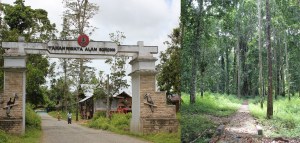
Located at km 14 Sorong-AImas route, the 945 acres Sorong Nature Park (Taman Wisata Alam Sorong) contain ecosystem of low land tropical forest. This place is function as protected forest, plant research site, and also bird watching place. The place also has track for trekking of bicycle riding.
Klasmesen
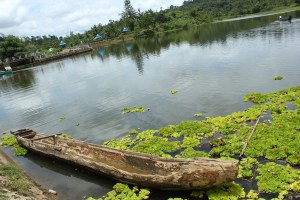
Klasmesen Dam

Klasmesen Dam
Klasmesen Dam located at Aimas, the capital town of Sorong Regency. The 125 acres dam form a small lake surround by trees. In a sunny weather, the shadow of the trees reflected in the water surface. Visitor can make a closer look at the floodgate, or do some recreational activities such as riding boat across the lake or fishing.
Pulau Doom
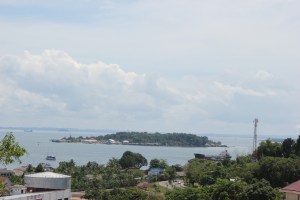
Doom Island from Baru Hill

Baru Hill
Baru Hill is a large hill at the center of Sorong City, and the highest point of Sorong City. From the top of hill, visitor can see the view of Sorong and Dofior Beach, the city beach of Sorong. Opposite the Dofior Beach, we can see Doom Island, the first settlement of Sorong built by Dutch. In the past, native inhabitant of Sorong called the island as Star Island, since the light from the lamp in the island is looks like a crowd of star in the ocean. Visitor can reach Doom Island by boat from Mina Harbour.
Tanjung Kasuari
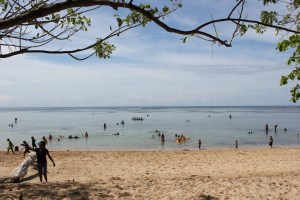
Beach of Kasuari Bay

Kasuari Bay Beach
About 7 km east of Sorong, lays Kasuari Bay Beach. The name “Kasuari” (or Cassowary) is the name of native ratite from Papua. But don’t worry, you won’t find the infamous fierce cassowary in this beach. There are no reguler public transport to this place, so visitor can rent a public transport to reach the beach. The white sandy beach is like an oase for Sorong’s inhabitant, since it is a cool and windy beach. People can swim safely in this beach, because the high wave already broke about 100 meters from the beach, hit by the reef at the bottom of the shallow sea.
Tembok Berlin
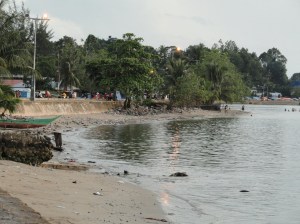
Dofior Beach, or Berlin Wall Beach

Dofior Beach
Dofior Beach is the city beach of Sorong. Most people of Sorong call this beach as “Berlin Wall Beach”, since it has 3 km wall spread throughout the beach. The function of the wall is as wave breaker and embankment. People come to this beach to watch the sunset, or to enjoy the culinary sell by the food vendors. While waiting for the sun to set, visitor also can see the movement of ship entering or leaving the Sorong Harbour.
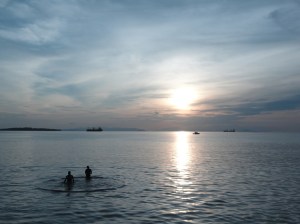
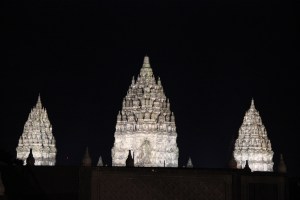
sunset
Sunset at Dofior Beach


Ramayana Ballet, The Beautiful Interpretation of Ancient Epic

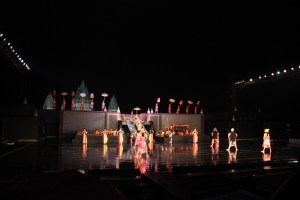
Ramayana is an Indian epic saga written by Valmiki on 250 BC, about the victory of goods to evil, and also about life morale stories. The epic travel to Thailand, Cambodia, Java and Bali, and through assimilation and acculturation has became local wisdom and manifested in many art form.

One of the most famous form of Ramayana in Java is manifested into relief along the wall of Prambanan temple. Prambanan temple was built in 9th century AD by Rakai Pikatan, king of Ancient Mataram. The relief has inspired GBPH Djatikusumo to create Ramayana Ballet in 1961.

IMG_2917
Prambanan Temple as Background of Ramayana Ballet

Ramayana Ballet performed in Prambanan Temple for the 1st time in the fullmoon of June 1961. Today it is performed at open theatre in dry season between May and November, and at Trimurti Theater in rain season between Oktober and May. In the bigger stage at open theater, the performance was supported by 250 dancers, while in the Trimurti Theater it supported by 50 dancers.

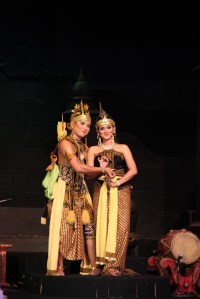
Like classical ballet performance, Ramayana Ballet was visualized by body movement, gesture, and facial expression by the dancer, without dialogue. To make it more dramatic, the performance use lighting and special effects. Some dancer even do juggling and archery, to make it more realistic. Music for the performance was played by live gamelan orchestra.

IMG_2934
The Competition at Manthili Kingdom

The ballet begin with the competition to decide who will be the right person to marry Dewi Sita, the princess of Manthili Kindom. It was Rama Wijaya, the prince of Ayodya Kingdom, who wins the competition and marry Dewi Sita. While walking in Dandaka Forest, Rama, Sita, and Laksmana (the brother of Rama) was watched by Prabu Rahwana, the King of Alengkadiraja. Believed that Sita was the incarnation of Dewi Widowati, the woman he loved and wanting for a long time, Rawana becomes eager to possess her, and kidnapped Sita.

IMG_3060
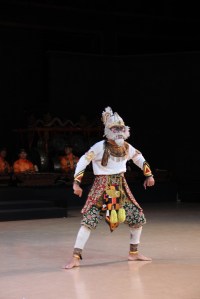
Hanuman, The White Monkey Knight

On the journey to save Sita, Rama and Laksmana met Hanuman, the white monkey knight. Rama and Laksmana agree to assist Hanuman in helping Sugriwa to defeat Subali, both are Hanuman’s uncles. After Subali was defeated, Sugriwa decided to help Rama to look for Sita, and sent Hanuman as envoy to Alengka.

IMG_3081
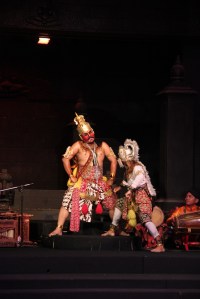
Hanuman meet Rahwana

In Alengka, Rahwana tried to persuade Sita to be his wife, but Sita was refused to do so. Trijata, a niece of Rahwana, was try to comforting Sita. After Rahwana left them, Sita started to hear beautiful song sung by Hanuman. Hanuman told his purpose to help her, and the duty was ordered by Rama. Hanuman then try to find out the power of Alengka’s army, and after that destroyed the garden of Alengka, made him captured by Indrajit, Rahwana’s son. Hanuman was sentenced to be burn alive, but he freed himself and with fire around his body he burn Alengka’s palace.

IMG_3129
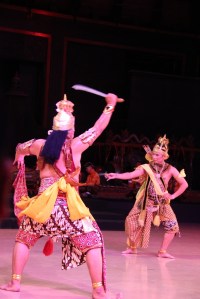
Rahwana face-to-face with Rama

After Hanuman return to Rama, Rama and the ape troops go to the sea and make a bridge to Alengka. When the bridge is finished, Rama sent the troops to attach Alengka. The big war occurs between the giant troops of Alengka and the ape troops of Rama. In this war, Indrajit was killed by Laksmana. On the other hand, Kumbakarna, the younger brother of Rahwana, was died as patriotic hero, since he joint the war to defend Alengka as his country. At the final war, Rahwana was face-to-face with Rama, and killed by Rama’s arrow.

IMG_3166
Rama meet Sita

After the death of Rahwana, Sita, accompanied by Hanuman, meets Rama. But Rama refused to accept her, as he considered Sita was not pure anymore. In order to prove her purity, Sita burned herself. With the help of God of fire, Sita was saved from fire, and proofed that she stilled pure. This made Rama happy and finally accepted Sita.

The Noiseless Bencoolen

Bengkulu, — or Bencoolen in English – is a city located at the west coast of Sumatera Island. Some people said that the name was derived from words “bend cut land” (“broken land”), indicating that Bencoolen was built at the fault zone, make Bencoolen one of city in the world with the most active earthquake. With population only 400.000 people. Bencoolen is the most quiet capital city in west part of Indonesia. But despite that fact, Bencoolen has many unique tourist attraction.


Panjang Beach

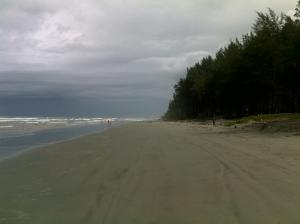
Panjang Putri Gading Cempaka Beach — nicknamed Panjang Beach– is the city beach of Bencoolen. The name “Panjang Beach” means “long beach”, since the beach lies 7 km long in the west side of Bencoolen. Facing the Indian Ocean, the beach has white fine sands and clear clean water. Different with most beach which has row of coconut trees, Panjang Beach has row of pine trees.
pantai panjang

The beach is most favourite tourist attraction for local people. But we won’t see any tourist swimming at the beach, since the beach has strong rip current. Local people believe it is connected to the legend of Gading Cempaka, princess from Sungai Serut Sultanate. Once upon a time, a prince from Aceh Sultanate proposed to marry the princess. Princess Gading Cempaka refused the proposal, and it caused battle between two sultanates. To end the battle, the princess dive into the ocean. Legend said that she built kingdom in the bottom of the ocean, and become the guardian of Panjang Beach.


Fort Marlborough

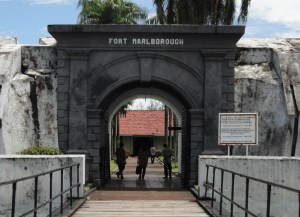
Fort Marlborough is the historical icon of Bencoolen. The fort was built by East India Company (trading company of British Kingdom) in 1713. At their heyday, the fort was the second strongest EIC fort in Asia after Fort St George in Madras, and the biggest EIC fort in South East Asia. In 1823, the fort was handed-over to Dutch Indie Government, before it was handed-over to the Japanese in 1942. After Indonesia got their independence in 1945, the  fort was used as military headquarter. In 1977, Indonesia government renovated Fort Marlborough and declared the fort as cultural heritage. The 44100 square meter fort was built on top of man-made hill. The fort architecture’s is looks like turtle, with 4 bastions in the corner as the turtle’s legs and the gate like the turtle’s head.

fort marlborough

At the time of Japanese occupancy in 1942-1945, the fort was used to held prisoners-of-war, mostly Dutch nationalities. In one of the room used as prison, there was a compass painted by one of the prisoner-of-war. Below the compass, there was a message written in Dutch, translated: “Whoever watch the compass, please don’t be angry to one who made it, please remember that suffer and time made me draw and write this.” Maybe this was just the prisoner’s way to express his feeling..

fort marlborough 2

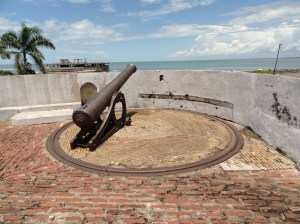
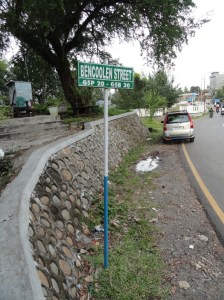
Standing at the bastion facing the Tapak Paderi beach, there was a Dutch-made canon. The canon was installed in a circle rail that made the canon can move in 360°. From this bastion, visitor can see the busy Tapak Paderi beach. Once it was a natural harbor of Bencoolen, but old locals remembered it as “Bomb Harbor”, since it was bombed during the attack to Fort Marlborough. There were Japanese bunker in the Tapak Paderi beach. The Tapak Paderi beach also a good place to watch sunset. Visitor also can take photo to sign written “Bencoolen Street” at the beach.

bencoolen street

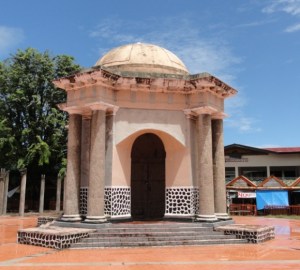
Only 300 meters from Fort Marlborough, at the front of Barukuto Market, visitor can find Thomas Parr Monument. Thomas Parr was EIC Resident at Bencoolen, who was stabbed and his head was beheaded on locals attacks at 1807. The Corinthian monument was built for his commemoration, while his tomb was inside Fort Marlborough. Local people call this monument Kuburan Bulek (Dome Tomb), because the roof of the monument has dome shape.

thomas parr


Bung Karno’s Exile House

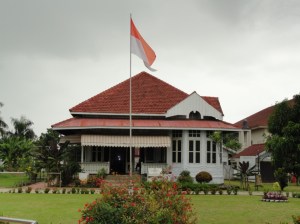
rumah sukarno

Bung Karno’s Exile House is the most favorite historical object at Bencoolen. Bung Karno, the first president of Indonesia, was exile to Bencoolen at 1939-1942. During that time, Bung Karno stay at the house of Tan Eng Cian at Anggut Atas area. Today, the house has preserved as museum, with displayed many heritage from Bung Karno’s time, like furniture, old bicycle, books, and old photos. The unique collection from this museum is 2 cabinets which keep costume of Monte Carlo Theater Group, the theater group which established and cared by Bung Karno.


Ibu Fatmawati’s Family House

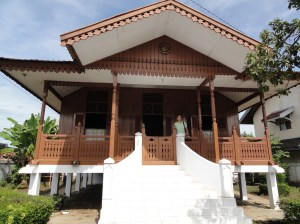
rumah fatmawati

Ibu Fatmawati was the third wife of Bung Karno, and the first Indonesian First Lady. She was native from Bencoolen, and she met Bung Karno during the time of Bung Karno’s exile at Bencoolen. Before married to Bung Karno, Fatmawati stay at the family house near Simpang Lima. The house also preserved as museum. One of the special collection is sewing machine used by Ibu Fatmawati to constructed the first official flag of Indonesia (Bendera Pusaka).


Jamik Mosque

masjid jamik

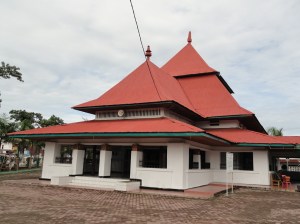
Jamik Mosque is the oldest mosque at Bencoolen, and also become famous because it was renovated by Bung Karno in 1938. The mosque has unique roof shape, compare to other mosque roof in Bencoolen which have dome shape. The roof of Jamik Mosque is storeyed, similar to Demak Mosque. The roof was made from zinc, like most house at Bencoolen. The zinc roof was more earthquake-proofed, therefore reducing the risk during the earthquake.


Tabot Tower

tabut

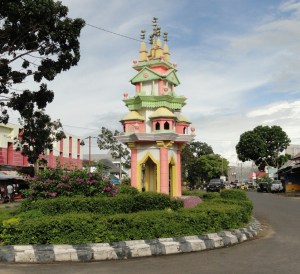
In (almost) every corner of Bencoolen, visitor can find a unique tower called Tabot. We can said that Tabot is (un)official mascot of Bencoolen beside Rafflesia flower. Tabot is storeyed-tower decorated with Islamic accessories using for Tabot Ritual, a traditional ritual to commemorate the heroic action of Hasan and Husein, the grandsons of prophet Muhammad Saw, who died at the Karbala War. Tabot Festival was held on 1st – 10th Muharram every year, and become one of the favourite tourist attraction at Bencoolen.

Palembang, Venice of The South East Asia

Most of the tourist attraction in Palembang is related to the history of ancient Srivijaya Kingdom and Palembang Sultanate. Here are some of the tourist attractions.

What’s most popular keywords when someone speak about Palembang? River Musi, Bridge Ampera, Sriwijaya, pempek, and fish crackers. Established in 682 AD (according to Kedukan Bukit inscription), Palembang is the oldest city of Indonesia, and the second biggest city of Sumatera Island. The city was split by River Musi, the longest river in Sumatera Island. The 750 km river is still use for transportation, that’s why Palembang is nicknamed as Venice of The South East Asia.

Balaputradewa Museum
Balaputradewa Museum located at Jl. Srijaya Negara I No. 288, Palembang. Established in 1978, the museum’s building was designed with Palembang traditional architecture style. Museum’s collection are dominated with artifacts from Srivijaya Kingdom, Palembang Sultanate, and cultural artifacts of South Sumatera.

balaputradewa4
Statue of “Si Pahit Lidah”

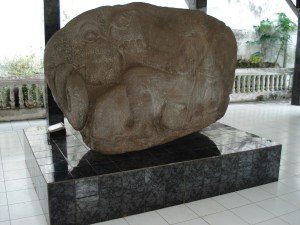
From the museum collection, we can conclude that at their heyday, Srivijaya was well known center of Buddhism. The most popular collection is megalithic statue depicting a person riding elephant. But people thought the statue was part of legendary figure called Si Pahit Lidah (“The Bitter Tongue”),  which anyone curse by him would turned into stone.

Sultan Mahmud Badaruddin II Museum
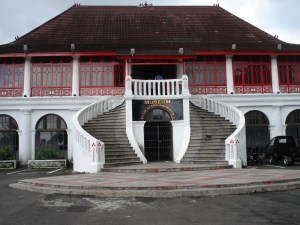
Second museum in Palembang is Sultan Mahmud Badaruddin II (SMB II) Museum. The museum located near Ampera Bridge, in front of Benteng Kuto Besak (BKB) pier, on the side of old Kuto Besak Fort. Building use for museum was a resident office in colonial era. Historians believe the site of the museum was used for Kuto Lamo fort of Palembang Sultanate which destroyed by the Dutch.

smb1
The Building of SMB II Museum

Eventhought SMB II Museum ini much smaller than Balaputradewa Museum, but they preserved similar colections: replica of inscription, South Sumatera cultural collection, and artifacts from Palembang Sultanate. For the record, althought this museum inhabit an old building, the ambience inside the museum is not that spooky, since they installed the lighting good enough.

River Musi and Ampera Bridge
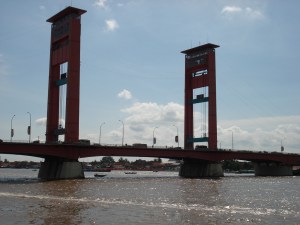
Ampera Bridge is the icon of Palembang, lied accros River Musi, connecting Seberang Ulu and Seberang Ilir regions. The bridge was built in 1962 by the order of Bung Karno, the first president of Indonesia. At that time, the red bridge was the longest bridge in South East Asia. Althought the bridge designed as vertical-lift bridge to allow big ships passed, since 1970 the beam was no longer lifted caused it made unacceptable delay in traffic.

jembatan ampera
Ampera Bridge

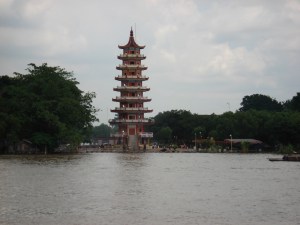
Tourists can rent boat from BKB pier and take a trip throughout River Musi. We can see tradisional house, port of Palembang, fertilizer factory, and also the Temple of Pulo Kemaro. Across the river, we can see traditional boat used for transporting food and household supplies. In some special event, we can see decorated boat passing across the river.

kemaro
Temple of Pulo Kemaro

The High Hills of Bukittinggi

Bukittinggi located 90 km north of Padang. At 930 meter above sea level, it is the coldest town in West Sumatera, with night temperature can reach 18°C. This little town has many unique historical sites that cannot be found in other town.

Jam Gadang, The Big Ben of Indonesia
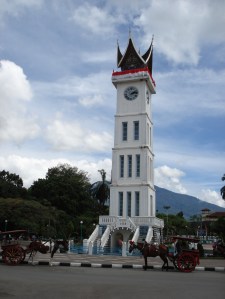
The object that you should visit at Bukittinggi is Jam Gadang, which also the landmark of the town. Jam Gadang tower located at Taman Sabai nan Aluih, a plaza right in the heart of Bukittinggi. The clock tower was built by Controlleur Rook Maker in 1926, and used to put the giant clock given by the Queen of Dutch. Today we can see the traditional gonjong roof on top of the 26 meters clock tower, designed by Jazid and Sutan Gigih Amen.

jam gadang

Literary, “Jam Gadang” means the Big Clock. The name was given since the clock’s diameter was 80 cm, much bigger than ordinary clock. The clock use manual clock machine named Brixlion, the same type used by clock at Big Ben, England. People from all over Bukittinggi often came to the plaza just to relax and enjoy the cool weather of the town.

Ngarai Sianok, The Grand Canyon of Indonesia
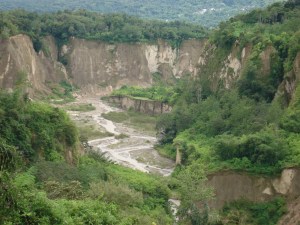
Ngarai Sianok, literary means Silent Canyon, is a 100 meter deep valley at the heart of Bukittinggi. The canyon is stretched 15 km from south of Koto Gadang to Palupuh, Agam. “Sianok” means silent, and the name was given because in 1940s the valley was the place to throw “silent corpses” of war victims.

DSC03794

Visitor can enjoy the view of Ngarai Sianok from observation tower at Taman Panorama. At the bottom of the valley is River Sianok. In the past, buffalos roam and drink in the river. Today, visitor can go to the bottom of valley by car. At the bottom of the valley you find the tavern with their specialty menu Gulai Itiak Lado Mudo (green chili duck curry).

Lubang Jepang
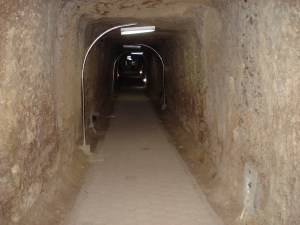
At Taman Panorama, you can find network of tunnels use by Japanese troops as their headquarters in Bukittinggi. The tunnels — called Lubang Jepang — were built at 1942 under the command of General Watanabe. In 1945, the tunnel was abandoned when Japan surrended to Allied Force, before discovered by local resident in 1946. Laying in 50 meter depth under the town, the 1470 meters tunnel is the longest Japanese tunnel in Indonesia.

DSC03792

Visitor can enter the tunnel from main entrance at Taman Panorama. Climb down 128 steps, the 2 meters wide tunnel already renovated. Lamps were installed inside the tunnel, so visitor does not need to walk in the dark. A certified guide will accompany visitor to explain about the history of Lubang Jepang. Not only the network of tunnels, Lubang Jepang also has 12 military barracks, 12 sleeping rooms, 6 ammunition stores, 2 dining lounge for romusha, 1 court room, kitchen, and jail.

DSC03791

The Rebirth of Sawahlunto

Sawahlunto is the oldest mining town in Indonesia, and the only mining town in West Sumatera Province. The town was evolved together with the discovery of coal mining at River Ombilin in 19th century. As the mining activity decline in 1980s, Sawahlunto became more quiet and quiet. But today, Sawahlunto has “rebirth” and we can see some of the mine site becoming tourist attraction.

Lubang Mbah Soero
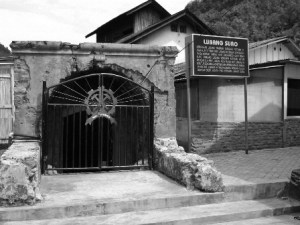
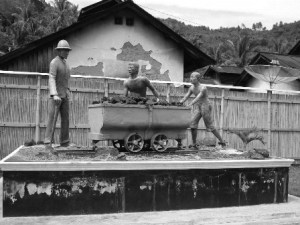
Lubang Mbah Soero (The Hole of Mbah Soero) is the main tourist attraction of Sawahlunto. Originally called Lubang Tambang Soegar, it is the first mine pit opened at Sawahlunto in 1896. In its heyday in 1920s, there are a lot of miner working in the mine pit. “Mbah Soero” was the name of the miner supervisor at that time, brought by the Dutch from Java.

DSC03887

Eventhough the mine pit has good quality coal, in 1932 the mine pit was left for safety reason. In 2007, Sawahlunto government converted the mine pit as tourist attraction. They preserved the condition of Lubang Mbah Soero to be like their original state when it was left in 1932. Visitor can go inside the mine pit and touch the coal rocks left behind at the wall of mine pit.

DSC03877

To go inside the mine pit, visitor can buy tickets at Info Box Building. Administrator of the mine pit will provide personal protective equipment like safety shoes and safety helmet. They also provide a big hose to the mine pit for ensuring oxygen flow inside the pit. Guide is provided to accompany visitor and explain more detail about Lubang Mbah Soero.

Goedang Ransoem Museum
Goedang Ransoem Museum located not far from Lubang Mbah Soero. Building use for the museum was a central kitchen to provide ration for miners in 1920s. At that time, the central kitchen cooked 4 tons of rice for miners, hospital patients, and miners’ families. After the mine pit was abandoned, the building still use for central kitchen for soldiers, before it was converted to be museum and opened for public in 2005.

DSC03911

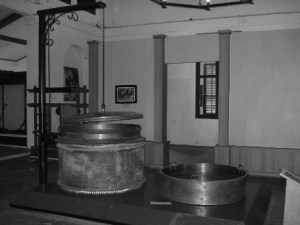
The museum’s main collections are huge-size kitchenware, such as giant wok dan giant pot. The giant pot has 132 cm diameter and made from thick steel plate. The fuel for cooking did not use firewood, LPG, or kerosene, but using steam generated from German-made steam generator. Some of the coal taken from the mine pit was used to boil the water in the generator to generate steam. The museum also displayed photos of old Sawahlunto.

Top 10 Destination Travel in Indonesia

Indonesia, never ending beauty. People love to visit Indonesia for their beachs, mountains, lakes, rice fields, heritage buildings, traditional houses, etc. Let’s find out top 10 destination travel in Indonesia in 2018!


Number 10: Lake Toba, North Sumatera

(10) danau toba

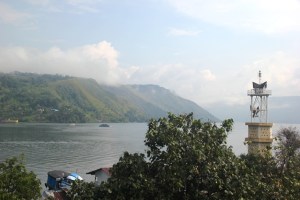
Lake Toba is a vulcanic lake made from Mt. Toba supervolcano eruption 74000 years ago. Located at North Sumatera province, it is the widest lake in Indonesia, and also the highest and deepest vulcanic lake in the world. Samosir island which laid in the middle of the lake also famous as the biggest “island inside the island”. Not only famous for the beautiful scenery, Lake Toba also has cultural attraction from Batak tribe history and tradition.


Number 9: Ramayana Ballet, Yogyakarta

(09) ramayana

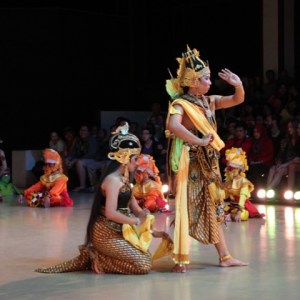
Ramayana is a Hindu epic story about the winning of goods against evils. In Indonesia, Ramayana has assimilate with local culture, and can be found in many version. One of the version was translated into beautiful dance named Ramayana Ballet, performed regularly at Prambanan Temple. In dry season, the performance was held at open theater, but in rainy season, we can watch the performance at Trimurti theater.


Number 8: Mount Tangkubanparahu, West Java

(08) tangkubanparahu

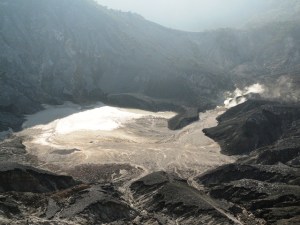
Mt. Tangkubanparahu lies 25 km north of Bandung, one of the popular destination travel in Indonesia. The name is derived from the form of the mountain which looks like an upside-down boat. Geologist believe that Mt. Tangkubanparahu is the remain of ancient Mt. Sunda which formed Parahyangan highland and Bandung basin. People believe that this mountain is related to Sangkuriang and Dayang Sumbi legend. In the other hands, geologist said that the legend is a form of documentary about the formation of Parahyangan highland.


Number 7: Trowulan, East Java

(07) trowulan

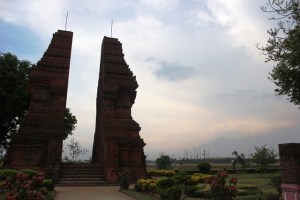
Trowulan is a small town near Mojokerto, East Java. The town kept thousands archeological site of Majapahit kingdom from 13th century, such as temples, statues, building foundations, old cemetary, etc. Nowaday, this town is consider as one of the destination travel in Indonesia, especially for education purpose about Majapahit kingdom.


Number 6: Oud Batavia (Old Batavia), Jakarta

(06) oud batavia

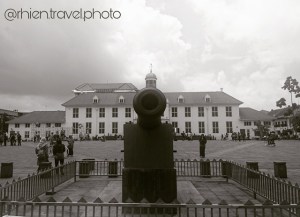
Oud Batavia is the area of old capital of Jakarta, and one of most popular destination travel in Indonesia. Built by Dutch East India Company in the beginning of 16th century, it was the center of their activities before Dutch Colonial government taking over it at 18th century. Surround by many old Europe-influenced architecture buildings, most popular building in this destination is Oud Stadhuis (old townhall) of Batavia, which now become Historical Museum of Jakarta. You also can find the big old cannon nicknamed “Meriam Si Jagur”, stand boldly in front of Oud Stadhuis.


Number 5: Sade Sasak Village, West Nusa Tenggara

(05) desa sade

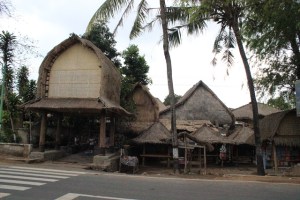
Sade Village is the home of Sasak tribe at Lombok Island. The village preserve many tradition in Sasak tribe, such as Bale Tani, the traditional house of Sasak people. Made from bamboo with grass roof, the house’s floor was cleaned once a week with bull dropping. The purpose of bull-dropping cleaning is to make the floor strong, dust-free, bug-free, and keep the house warm at night. We also can watch Sasak girl weaving traditional Sasak clothes.


Number 4: Raja Ampat Islands, West Papua

(04) raja ampat

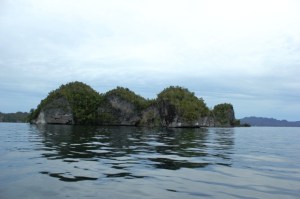
With 610 small islands, Raja Ampat Islands is located near the “bird’s head” section of Papua Island. Places between India Ocean and Pacific Ocean, this islands has the most rich underwater biodiversity in the world, as stated by Conservation International. No less than 540 species of coral reefs, 1511 species of fishes, and 700 species of molusk live in the area.


Number 3: Yogyakarta Royal Palace , Yogyakarta

(03) kraton

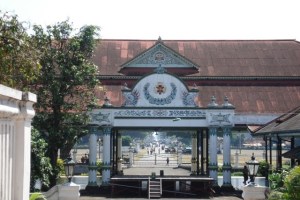
Destination travel in Indonesia is not just the nature, but also the heritage building, like Yogyakarta Royal Palace. The Palace was built between 1755-1756 by Sultan Hamengkubuwana I, the founder of Yogyakarta Sultanate. Designed by Sultan Hamengkubuwana I, the architecture of the palace complex was a “fusion” of Portuguese, Dutch, and China. Today the palace still function as the home royal family of Yogyakarta, and also function as museum.


Number 2: Gili Trawangan, West Nusa Tenggara

(02) gili trawangan

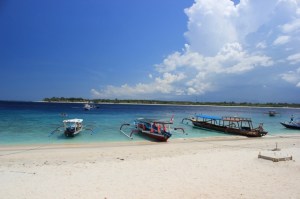
Gili Trawangan is a small island located in north side of Lombok island. One of the most beautiful island in Indonesia, it white sand beach combine with contrast blue color of the ocean. As destination travel in Indonesia, the most popular tourist activities in this island is sunbathing and snorkeling. What makes this island unique is there are no car or motorcycle. To move from place to place, tourists can walk, rent a bike, or using cidomo – a kind of horse cart.


Number 1: Borobudur, Central Java

(01) borobudur

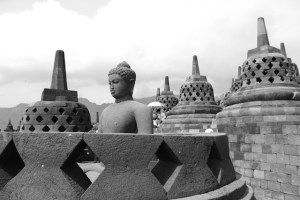
The largest  Buddhist  temple in the world, Borobudur is the most popular destination travel in Indonesia. Located at Magelang, 40 km north west of Yogyakarta, since 1991 UNESCO has declared Borobudur as one of the World Heritage Sites. Every year, many Buddhist monks from all around Indonesia visit Borobudur to worship at Vesak Day.

Creating Beautiful Travel Photographs

Nowadays, taking photo is the most popular activities doing (almost) by everybody. Especially when travelling, people taking photo of the objects they’ve seen, people they’ve met, or just taking selfie for keeping personal memories of the journey. Since everybody wants to keep good memories, how can we create beautiful travel photos?

DSC_1265

First of all, travel photography is all about moments. Making a beautiful travel photos mean catching the right moments, i.e. right person, right time, right situation, or combination of them.

But how do you know when you meet the right moments? It depends on your judgement.

To find the right moments, you have to wait patiently and be considerate. Pick point of interest, and wait for the right person, right time, or right situation to come.

Practice make perfect, so taking more photos means practicing your judgement to find the right moments.

Mastering basic photography technique is also important: composition, lighting, exposure.

Composition is the most important, since this is the one that (almost) cannot be manipulated by software. You should master photo composition by practice, practice and practice.

Try to take photo of one object/spot from many angles or point of view, to get the sense of composition.

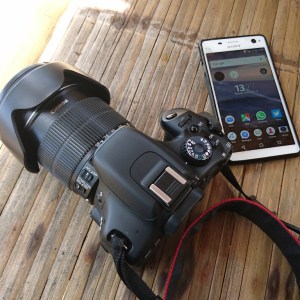
Never worry about the camera, because travel photography is never about the camera. Whether you use pocket camera, smartphone camera, or sophisticated DSLR camera, all of that can make a good travel photos.

But whatever camera you use, you have to know how to use it very well. Better understand all camera features, so you can maximize it to get the excellent travel photos.

Making travel photography is a fun things to do. But please remember that there are some objects or moments you should avoid. For example, don’t take photo if it disturbing someone’s privacy. Or if you find interesting objects but it related to military or politics, please ask permission before taking photo.

Last but not least, don’t take photo if it threaten your or your object’s safety (i.e. taking photo in the edge of a cliff). Travel photography is fun, of course, but safety also important.